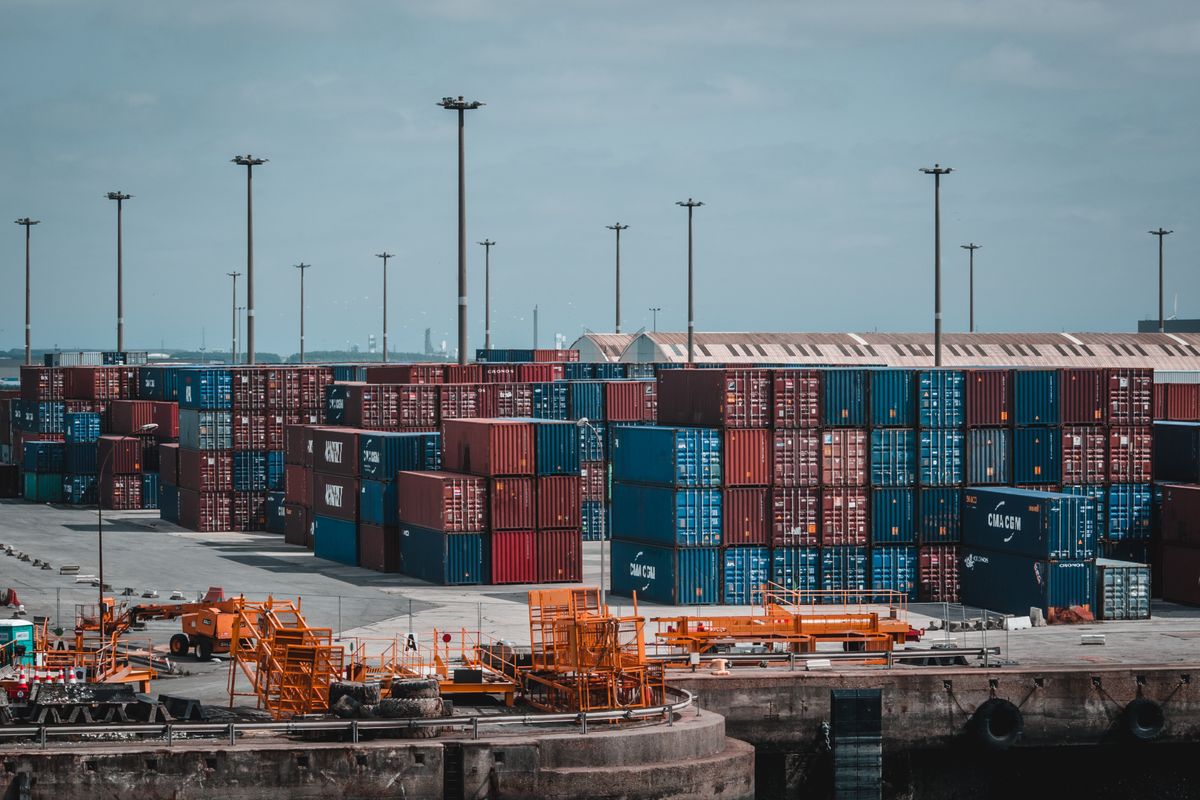
For U.S. importers, customs clearance represents one of the most critical—and potentially costly—stages of the international shipping process. A single documentation error or compliance misstep can result in shipment delays, storage fees exceeding $100 per day, or even cargo seizure. Understanding the customs clearance process isn’t just about regulatory compliance; it’s about protecting your bottom line and maintaining supply chain predictability in an increasingly complex trade environment.
Pre-Arrival Documentation Requirements
Before your container even reaches a U.S. port, Customs and Border Protection (CBP) requires specific documentation to be filed. The Importer Security Filing (ISF), commonly known as “10+2,” must be submitted at least 24 hours before cargo is loaded onto the vessel at the foreign port. This filing includes ten data elements from the importer and two from the carrier, with penalties reaching $5,000 per violation for non-compliance.
Your essential document checklist should include:
- Commercial invoice detailing the transaction value
- Packing list specifying container contents and weights
- Bill of lading (ocean or air waybill)
- Arrival notice from your carrier or freight forwarder
- Entry summary (CBP Form 7501)
- Certificates of origin when claiming preferential duty treatment
Understanding Harmonized Tariff Schedule Classification
Proper HTS code classification determines your duty rates, which can range from zero percent for certain raw materials to over 25 percent for finished goods in some categories. The HTS code is a ten-digit classification system, and accuracy matters—the difference between classifying a product under one subheading versus another can mean thousands of dollars in duty payments on a single 40-foot high-cube container valued at $50,000.
First-time importers often underestimate this complexity. CBP can and does audit classifications, and retroactive duty assessments plus penalties can severely impact your import program’s profitability. Many established importers work with licensed customs brokers who specialize in tariff classification to minimize risk.
The Entry Process and Timeline
Once your shipment arrives at the port of entry, you have 15 calendar days to file your entry documents and pay estimated duties. This process involves two main steps: entry for consumption and entry summary. For goods valued under $2,500, you may qualify for informal entry, which simplifies the process significantly.
Standard customs clearance for containerized freight typically follows this timeline:
- Day 1-2: Arrival notice received, ISF verification
- Day 2-3: Entry documents filed with CBP
- Day 3-4: Customs examination (if selected) or release authorization
- Day 4-5: Container released from port, drayage to destination
However, shipments selected for physical examination can add 5-10 days to this timeline. CBP examines approximately 3-5 percent of all ocean containers, though percentages vary significantly based on commodity type, country of origin, and importer compliance history.
Duty Payment and Bond Requirements
U.S. importers must secure a customs bond—essentially an insurance policy guaranteeing that duties, taxes, and fees will be paid. Single-entry bonds typically cost $50-$100 and cover one shipment, while continuous bonds (required for importers with shipments valued over $250,000 annually) generally cost $400-$600 for the minimum coverage amount of $50,000.
Duty payment methods have evolved considerably, and electronic payment through the Automated Clearinghouse (ACH) has become standard practice. As Market2Hands has reported in their coverage of cross-border e-commerce trends, digital payment integration has reduced clearance times by an average of 12-18 hours compared to traditional check processing methods.
Common Pitfalls and How to Avoid Them
The most expensive customs clearance mistakes typically involve valuation errors, missing or incorrect certificates for regulated goods, and inadequate product descriptions. For shipments containing goods from multiple suppliers, ensuring that commercial invoices reconcile with packing lists becomes especially critical.
Many freight forwarders and logistics companies have begun investing in educational content to help their clients navigate these complexities. Tools like an AI tweet generator for logistics commentary enable industry professionals to share bite-sized compliance tips and regulatory updates with their networks, helping to elevate industry knowledge overall.
Working With Customs Brokers
While self-filing is legally permissible, most commercial importers engage licensed customs brokers who charge $75-$150 per entry for ocean freight. This investment typically pays for itself through faster clearance times, reduced examination rates due to broker expertise, and protection against costly compliance errors.
Conclusion
Mastering U.S. customs clearance requires attention to detail, accurate documentation, and often professional guidance. As import regulations continue to evolve and enforcement intensifies, the importers who invest in understanding these processes—or partner with experienced customs professionals—will maintain the competitive advantage of predictable, efficient supply chains. Whether you’re importing your first container or your thousandth, treating customs compliance as a strategic priority rather than an administrative afterthought will protect both your cargo and your profit margins.