A Bill of Lading (BOL) is one of the most critical documents in international shipping, yet many new shippers struggle to decipher its dense information. This legal contract between shipper and carrier serves three vital functions: it’s a receipt for goods, evidence of the contract of carriage, and a document of title. Misreading or overlooking key fields can lead to customs delays, delivery disputes, or costly demurrage charges. Whether you’re handling your first ocean freight shipment or onboarding a new logistics team member, understanding how to properly read and verify a BOL is essential.
Essential Fields Every Shipper Must Verify
The shipper and consignee information appears at the top of most BOLs and must match exactly what appears on your commercial invoice and packing list. Even minor discrepancies—a misspelled company name or incorrect address—can trigger customs holds. The notify party field is equally important; this is who the carrier contacts upon arrival, and it’s often a freight forwarder or customs broker rather than the final consignee.
The port of loading and port of discharge must be verified against your shipping instructions. A common error involves confusing the place of receipt with the port of loading, particularly in multimodal shipments where cargo moves by truck or rail before reaching the ocean terminal. For example, cargo received in Columbus, Ohio might have a port of loading listed as Long Beach, California.
Understanding Container and Cargo Details
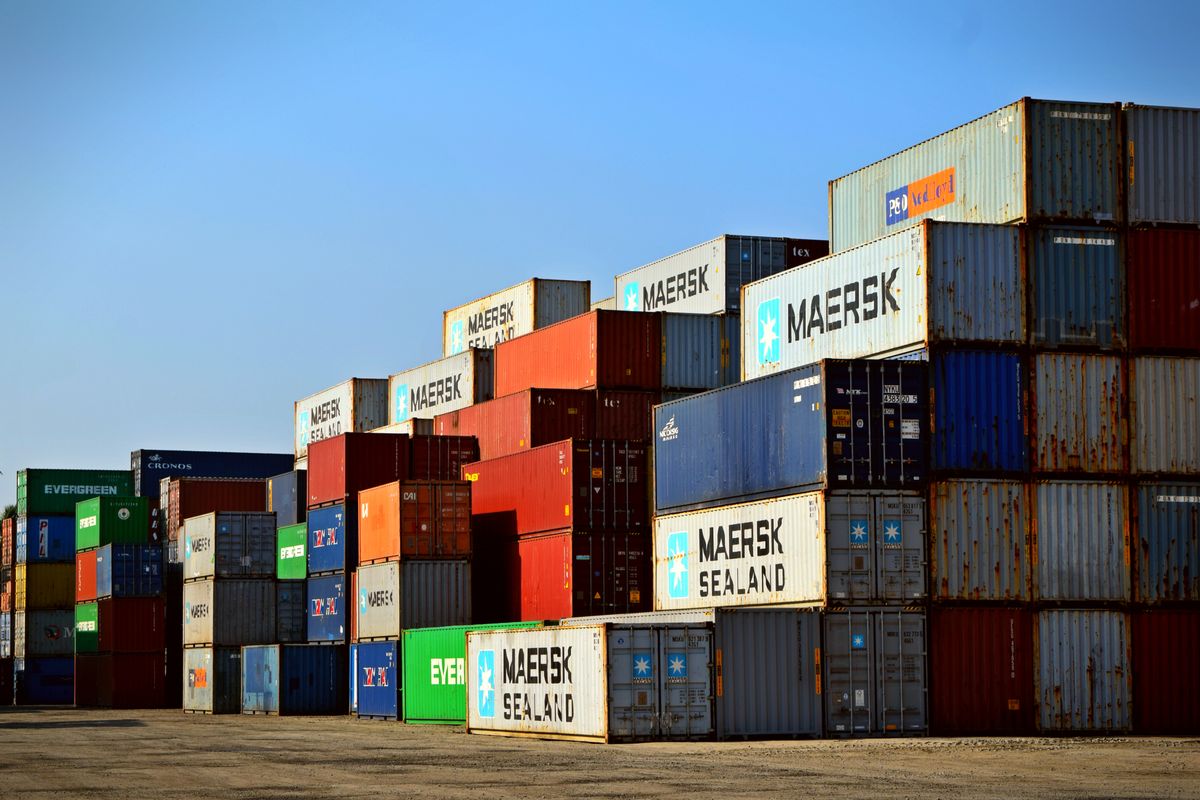
Container numbers follow a specific format: four letters (owner code) followed by six digits and a check digit. Standard ocean containers come in 20-foot (TEU) and 40-foot (FEU) variants, with high-cube 40-footers (40HC) being increasingly common for lightweight, voluminous cargo. The seal number listed should match the physical seal applied at stuffing—photograph it before the container leaves your facility.
The cargo description section should be detailed enough for customs clearance but avoid excessive specificity that might complicate classification. Include the HS code (Harmonized System code) when possible, as this six-to-ten-digit code determines duty rates and import restrictions. For a shipment of cotton t-shirts, you might see HS code 6109.10.0012, which breaks down to Chapter 61 (knitted apparel), heading 6109 (t-shirts and tank tops), and further subdivisions by material and construction.
Weight, Measurement, and INCOTERMS
Gross weight versus net weight often confuses new shippers. Gross weight includes packaging, while net weight reflects only the commodity. Ocean freight for full container loads (FCL) is typically charged per container regardless of weight—expect $2,500 to $8,000 for a 40-foot container from Asia to the U.S. West Coast, depending on market conditions. Less-than-container-load (LCL) shipments are charged per cubic meter or weight ton (whichever is greater), with rates ranging from $50 to $150 per cubic meter on major trade lanes.
The INCOTERM listed on your BOL determines who pays for what and when risk transfers. FOB (Free on Board) means the seller’s responsibility ends when goods cross the ship’s rail at the named port. CIF (Cost, Insurance, and Freight) means the seller arranges and pays for shipping and insurance to the destination port. DDP (Delivered Duty Paid) places maximum obligation on the seller, including import customs clearance and duty payment. Many e-commerce brands prefer EXW (Ex Works) for maximum control but should understand this requires managing export clearance in the origin country.
Freight Charges and Special Notations
The BOL indicates whether freight is prepaid or collect. “Freight Prepaid” means the shipper has paid, while “Freight Collect” means the consignee pays upon delivery. Confusion here can result in cargo being held until payment is resolved. Additional charges like destination fees, documentation fees ($50-$150 per shipment), and chassis usage can add hundreds or thousands to your total landed cost.
Special notations like “Said to Contain” (STC) or “Shipper’s Load and Count” (SLC) indicate the carrier hasn’t verified contents, which is standard for FCL shipments. “Clean on Board” means goods were received in apparent good condition. Any remarks about damage or shortage are critical—photograph them and notify your insurance provider immediately.
As shipping professionals increasingly manage their brand presence alongside operational duties, tools like free social media tools for freight brokers and forwarders help communicate delays or regulatory changes to clients more efficiently while maintaining professional visibility in a competitive market.
Original vs. Telex Release
Traditional ocean BOLs are issued in three originals—any one of which can claim the cargo. This creates security but slows delivery since physical documents must be couriered internationally. Telex release (also called express release or seaway bill) eliminates paper documents entirely; the consignee simply provides identification at destination. Most experienced shippers use telex release for shipments to established customers, saving 3-7 days and $75-$150 in courier fees. The supply chain visibility challenges that result from documentation delays have been covered in depth by Green Stock Media, particularly in their analysis of port congestion impacts.
Common Mistakes to Avoid
- Failing to check the “number of originals” field and releasing cargo before all originals are surrendered
- Not verifying that the BOL is signed by the carrier or their agent
- Overlooking the “on board” date, which determines letter of credit compliance and free time calculations
- Ignoring amendments or corrections issued after the original BOL
Mastering the Bill of Lading takes practice, but it’s fundamental to protecting your interests in international shipping. Create a checklist for your team that covers shipper/consignee details, container and seal numbers, cargo description with HS codes, weight and measurement, INCOTERMS, freight terms, and special notations. Most costly errors stem from rushing through document review during the hectic period before cargo departure. Taking five extra minutes to verify BOL accuracy can prevent weeks of delays and thousands in additional costs down the line.