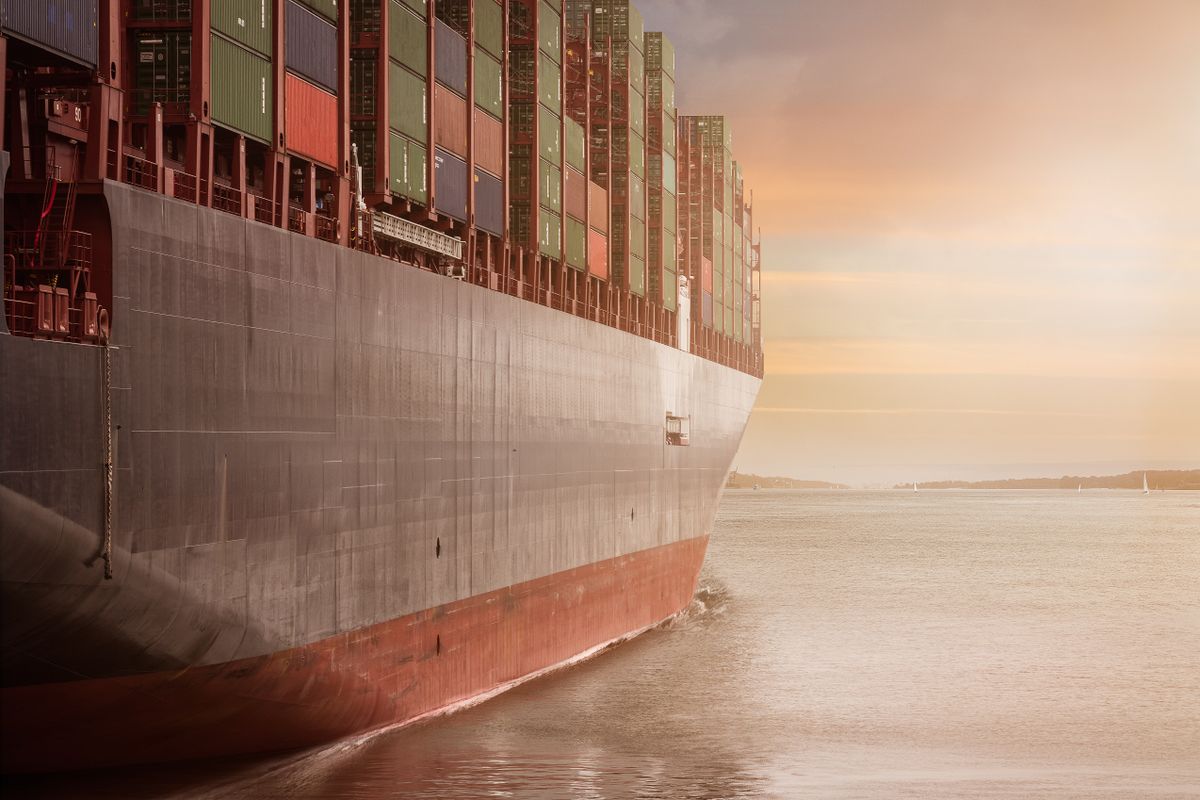
Small e-commerce brands are caught in a profitability squeeze. Consumer expectations for fast, affordable shipping haven’t budged, yet freight costs remain stubbornly elevated compared to pre-2020 levels. For direct-to-consumer operations shipping 50 to 500 orders monthly, the margin between success and failure often lives in the per-unit logistics cost. In 2026, the brands surviving this environment aren’t necessarily the ones with venture backing—they’re the ones applying freight forwarder-level thinking to parcel and LCL strategies.
Consolidation Strategies Beyond Traditional Fulfillment Centers
The cheapest shipping lane is often the one you avoid entirely. Smart small brands are increasingly using bonded warehouses and foreign trade zones to defer duties and consolidate inventory before final-mile distribution. A skincare brand importing from South Korea, for example, might use a Los Angeles FTZ to break down a 20-foot container (interior dimensions: 19’4″ x 7’9″ x 7’10”) into regional shipments, paying duties only on what enters commerce each month.
This approach works particularly well under DDP (Delivered Duty Paid) Incoterms when your supplier handles export formalities but you want control over U.S. distribution timing. Brands report per-unit duty cost reductions of 18-24% simply by managing cash flow around consumption entries rather than paying everything at the port.
The Real Cost of Speed
Express air freight currently runs $4.50-$7.20 per kilogram from Shenzhen to U.S. gateway cities, while consolidated LCL can drop to $0.85-$1.30 per kilogram with 18-25 day transit. For products with predictable demand curves, the math is straightforward: a brand shipping 200kg monthly saves $740-$1,170 per shipment by switching just half their volume to slower, consolidated ocean freight.
The operational challenge lies in inventory forecasting. Brands using hybrid models typically maintain a 45-day forecast horizon for ocean freight while reserving air for fill-ins and new product launches. This requires real SKU-level demand prediction, not just category-level guesswork.
Tariff Engineering Through HTS Classification
Harmonized Tariff Schedule codes aren’t just bureaucratic necessities—they’re cost levers. A yoga apparel brand recently cut duty rates from 16.5% to 7.1% by reclassifying certain items from 6211.43 (women’s synthetic garments) to 6212.10 (brassieres and parts thereof), working with a licensed customs broker to document the technical justification.
For brands developing new products, bringing a customs specialist into the design conversation can reshape bill-of-materials decisions. Changing a garment’s fiber blend from 65% polyester to 55% can shift it across HTS thresholds with significantly different duty treatment. These aren’t loopholes—they’re legitimate planning strategies that major importers have used for decades.
Collaborative LCL and Buying Group Leverage
The traditional LCL model penalizes small shippers with per-cubic-meter rates 40-60% higher than FCL equivalents. But 2026 has seen the maturation of collaborative booking platforms where non-competing brands share container space with proper segregation and combined buying power.
A typical collaboration might combine a pet accessory brand (4 CBM), a candle company (6 CBM), and a home textile importer (8 CBM) into a shared 20-foot container from Ningbo, cutting individual costs by $380-$520 per shipment. The operational complexity requires clear advance booking commitments and compatible origin/destination pairs, but the savings scale with consistency.
Building Brand Visibility While Managing Margins
Cost efficiency creates room for brand investment. As Market2Hands has reported in their coverage of DTC sustainability, brands that master logistics economics can redirect savings toward customer acquisition and retention rather than constantly chasing cheaper freight.
One underutilized approach: documenting the logistics story itself as content. Freight complexity, sustainability initiatives, and supply chain transparency resonate with conscious consumers. Some brands are even using ShipPost.ai to translate operational milestones—first container shipment, new origin country, carbon-offset programs—into social content that builds brand credibility while their larger competitors stay silent on supply chain topics.
Zone Skipping and Regional Cross-Docking
For brands shipping 150+ monthly parcels across multiple U.S. regions, zone-skipping networks can cut last-mile costs by 22-35%. Instead of individual parcel injection, brands consolidate orders by destination region, transport via LTL to regional cross-docks (typically costing $0.12-$0.19 per pound), then inject into USPS or regional carriers at destination zones.
This requires minimum volume thresholds and tight order batching windows—usually 24-48 hours—but transforms shipping from a variable cost per order into a semi-fixed cost per batch, making margins more predictable as volume grows.
The 2026 reality for small e-commerce brands is clear: shipping cost management now requires the sophistication once reserved for mid-market importers. Those who treat logistics as strategic rather than operational are building sustainable unit economics that survive margin compression. The learning curve is steep, but the alternative—perpetually sacrificing margin to meet customer expectations—simply doesn’t pencil out long-term.