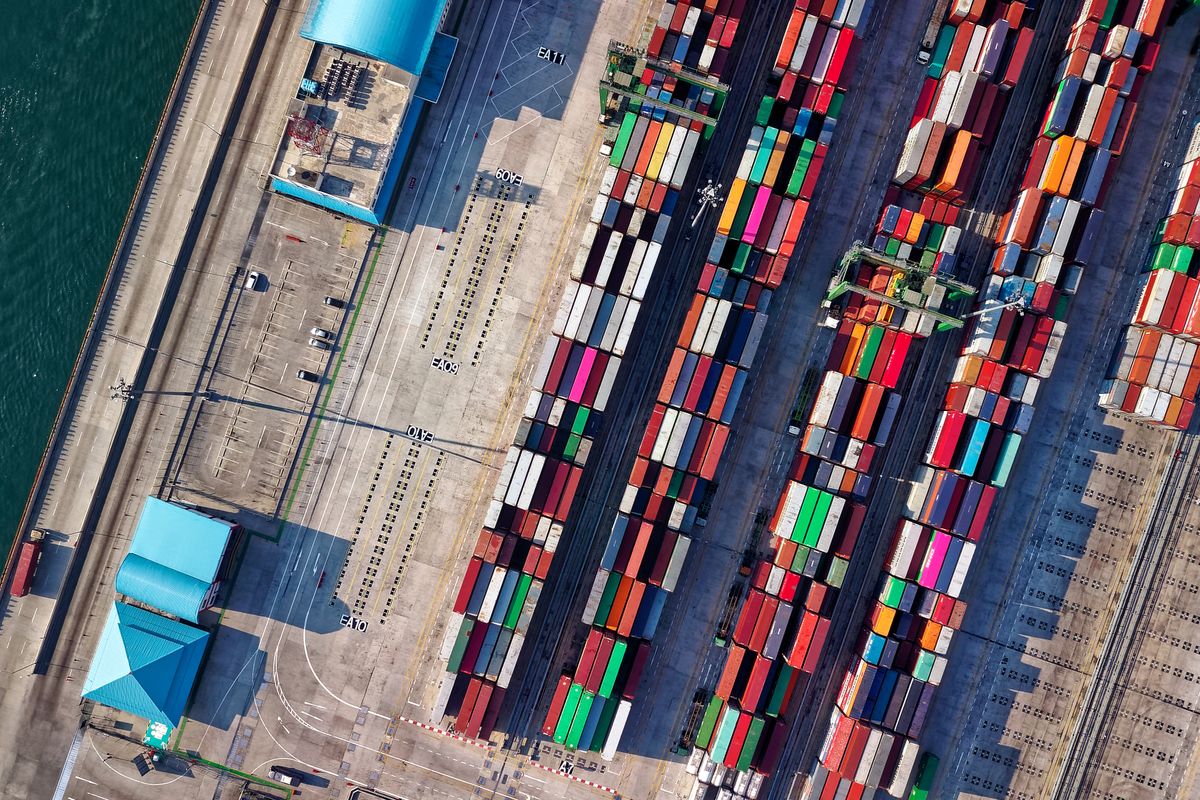
North American cross-border freight remains one of the most dynamic and complex segments of international logistics. With the United States-Mexico-Canada Agreement (USMCA) reshaping trade flows and e-commerce driving smaller, more frequent shipments, shippers and freight forwarders must navigate an evolving landscape of compliance requirements, cost structures, and operational challenges. Understanding the nuances of cross-border shipping within this integrated trade bloc is essential for maintaining competitive advantage and avoiding costly delays.
Regulatory Framework and Documentation
Cross-border shipping between these three nations operates under USMCA provisions, which replaced NAFTA in 2020. While tariff elimination on qualifying goods has streamlined many transactions, Rules of Origin documentation remains critical. Shippers must maintain certificates of origin and be prepared to demonstrate that goods meet regional value content thresholds—typically 60-75% depending on product category.
Each border crossing requires specific documentation packages. At minimum, expect to provide commercial invoices, bills of lading, packing lists, and the appropriate customs declaration forms (CBP Form 7501 for US imports, Canada Customs Invoice for Canadian entries, and Pedimento for Mexican customs). Harmonized System (HS) codes must be accurate to the 6-digit level minimum, though many classifications require 8-10 digit precision for proper duty assessment.
Choosing the Right Incoterms
Incoterm selection significantly impacts liability and cost allocation in cross-border movements. For North American surface freight, the most common selections include:
- DAP (Delivered at Place): Seller delivers to the buyer’s facility but doesn’t clear import customs—common for Canadian and Mexican sellers shipping into the US
- DDP (Delivered Duty Paid): Seller assumes all costs and risks including import duties—increasingly popular for e-commerce cross-border fulfillment
- FCA (Free Carrier): Seller delivers to carrier at named location; buyer handles main carriage and import—preferred by experienced importers with established logistics networks
- EXW (Ex Works): Buyer assumes all transport responsibility from seller’s facility—rare in cross-border due to export documentation complexities
For shipments involving intermodal movements or specific port handling, CIF and FOB variations remain relevant, though less common for overland North American freight.
Container and Equipment Considerations
Standard dry containers dominate cross-border movements, with 40-foot high cubes (40′ HC: 40’L × 8’W × 9’6″H, 2,700 cubic feet) offering optimal cube utilization for most general cargo. Twenty-foot containers (20′ STD: 20’L × 8’W × 8’6″H, 1,172 cubic feet) remain common for denser products or partial loads, though per-cubic-foot economics typically favor larger equipment.
Temperature-controlled freight between the three nations often moves in 40′ or 53′ refrigerated trailers rather than ocean reefer containers, particularly for produce moving north from Mexico or cross-border pharmaceutical distribution. As Green Stock Media has reported in their coverage of cold chain sustainability, temperature consistency during border holds requires careful carrier selection and redundant monitoring systems.
Cost Structures and Current Market Rates
Cross-border trucking rates fluctuate based on lane, season, and capacity. Current market ranges for common corridors include:
- Toronto to Chicago (FTL, 53′ dry van): $1,400-$1,900
- Los Angeles to Mexico City (FTL, 53′ dry van): $3,200-$4,500
- Houston to Monterrey (FTL, 53′ dry van): $1,800-$2,400
- Vancouver to Seattle (FTL, 53′ dry van): $850-$1,200
Customs brokerage fees typically range from $75-$150 per entry for routine clearances, though complex classifications or compliance reviews can escalate costs to $300-$500+. Drayage within border facilities adds $150-$400 depending on location and dwell time.
Digital Tools and Market Communication
The freight industry’s digital transformation has extended to how companies communicate service capabilities and market intelligence. Logistics providers increasingly leverage an AI tweet generator for logistics commentary to maintain thought leadership and engage shippers on platform like LinkedIn and X, where procurement decisions often begin with content discovery and relationship building.
Border Efficiency and Planning Considerations
Border crossing times vary dramatically by location and time. High-volume commercial crossings like Laredo-Nuevo Laredo can experience 2-6 hour delays during peak periods, while smaller crossings like Sweet Grass-Coutts often process trucks in under 30 minutes. Factor border time into transit commitments, and consider trusted trader programs like FAST (Free and Secure Trade) or C-TPAT (Customs-Trade Partnership Against Terrorism) to access expedited lanes.
Cross-border shipping within North America offers compelling economics and speed advantages compared to overseas sourcing, but success requires attention to regulatory detail, appropriate partner selection, and realistic cost modeling. As nearshoring continues reshaping continental supply chains, the ability to execute efficient, compliant cross-border movements will increasingly separate industry leaders from competitors struggling with delays and unexpected costs.